Close

Who We Are

Strategic Plan

Board of Directors

Staff

Annual Reports

Overview

Transition Services

Sample Daily Schedule

Facilities Tour

Overview

Measuring Success

Success Stories

For Caregivers

For Professionals

Fees for Service

Apply

Corporate Partners

Planned Giving

Donate

Wishing Well

Exploring Mental Health 2026

Summer Solstice 2026

How Family Can Support a Loved One During Residential Treatment

Nicole Holmes, LISW-S, Assistant Clinical Director, Clinician

 When someone you care about enters residential mental health treatment, you often experience a complicated mix of emotions — relief, fear, uncertainty, hope, and exhaustion. While residential programs provide therapy, structure, and clinical support, family involvement remains one of the most important components of long-term recovery.

At Hopewell, healing happens within a therapeutic community built on connection, responsibility, and personal growth. Families are an essential part of that process and understanding how to provide healthy support can make a meaningful difference for everyone involved.

What You Should Do for Your Loved One

 One of the most important things families can offer during residential treatment is support. While it is natural to want constant updates, recovery often requires residents to fully engage in the structure and relationships within the therapeutic community. Giving your loved one the space to connect with the program, their peers, and their treatment team allows them to develop greater independence and confidence in their own recovery. This may mean limiting excessive phone calls, visits, or attempts to “rescue” them from difficult emotions. A therapeutic community is designed to help individuals learn how to tolerate discomfort, practice coping skills, and build healthier routines within a supportive environment.

Healthy boundaries are also essential. Many families living with mental illness have spent years operating in crisis mode, which can sometimes lead to patterns of overprotecting, enabling, or taking on responsibilities that belong to their loved one. Boundaries are not about withholding love — they are about creating healthy expectations, accountability, and emotional safety for everyone involved.

Families can also provide encouragement through thoughtful gestures that help residents feel supported without disrupting treatment. Letters, cards, care packages, family photos, favorite snacks, or small comfort items can provide reassurance during difficult moments. Often, simple messages such as “We are proud of you” or “Keep going” carry tremendous meaning.

What You Should Expect from the Residential Facility

 Residential treatment programs should view families as important partners in the recovery process. Families should expect regular and appropriate communication with the treatment team regarding progress, concerns, goals, and recommendations for ongoing support. While confidentiality and resident privacy are important, families should feel included and informed about how they can best support recovery. Programs that emphasize therapeutic community often encourage residents to build relationships, participate in responsibilities, and engage meaningfully with daily life within the program.

In addition, families should expect opportunities to participate in family therapy or family education sessions when clinically appropriate. Mental illness impacts the entire family system, and healing often requires improved communication, greater understanding, and healthier relational patterns. Family sessions can help loved ones process difficult emotions, rebuild trust, and learn practical tools for supporting recovery after discharge.

Residential programs should also encourage honesty, collaboration, and realistic expectations. Recovery is rarely linear, and there may be setbacks along the way. Treatment teams should help families understand the recovery process while reinforcing hope and long-term growth.

What You Should Do for Yourself

 Supporting a loved one with a major mental illness can be emotionally overwhelming. Families often spend so much time focusing on the needs of their loved one that they neglect their own emotional wellbeing. It is important for you to seek support for yourself as well. There is often a great benefit for family members in finding their own individual therapist who can provide guidance, assist in setting boundaries and untangling responsibilities all while providing emotional support through this journey.

Taking care of yourself is not selfish. In fact, maintaining your own emotional health often allows you to provide more stable and sustainable support over time. Additionally, you might consider joining a support group for family members of individuals struggling with a mental illness.

Recovery affects the entire family, and healing often happens together. By supporting your loved one with patience, healthy boundaries, and encouragement — while also caring for yourself — families can play a powerful role in creating lasting recovery and hope for the future.
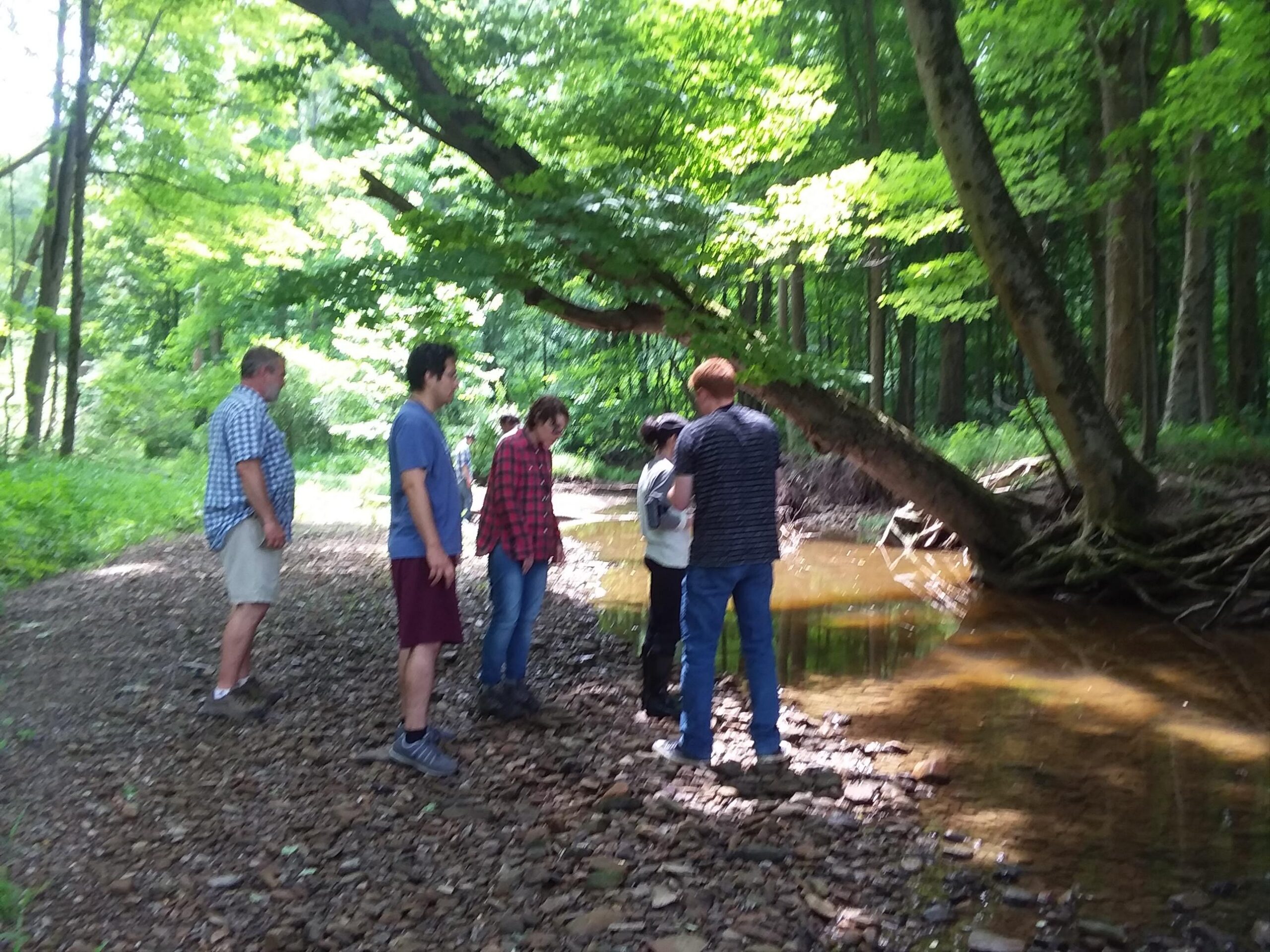



The Healing Power of Nature and Ecotherapy

By Annie Melinz, LPC — 

When you imagine a perfect, warm, peaceful summer day, what comes to mind?

Perhaps it’s the feel of the sun on your skin, the smell of freshly cut grass, the call of a mourning dove or red-winged blackbird, the gentle sound of a babbling creek, a soft breeze, or even the laughter of loved ones nearby.

Notice how these quintessential elements of summer are rooted in nature’s sounds, scents, and sensations. Spending time in nature and appreciating its simple pleasures is not only restorative—it is profoundly healing and regulating for the human nervous system.

Ecotherapy is a practice grounded in the belief that intentional time in nature, paired with mindful awareness, supports emotional regulation and promotes overall well-being.

It has been shown to support both mental and physical health, promote social connection, and reduce stress. Rather than focusing solely on problems or symptoms, ecotherapy emphasizes the relationship people have with the natural world, fostering feelings of safety, security, and mindful awareness.

At Hopewell, an intentional lifestyle that encourages connection to nature is woven into our daily routine. Residents are encouraged to set aside screens and cell phones during program hours (9:00 a.m.–5:00 p.m.) and engage in a variety of offerings. These include farm chores, gardening, daily nature hikes, equine‑assisted learning, birdwatching, art therapy, music therapy, as well as more traditional therapeutic approaches.

Some residents find the face-to-face setting in an office to be a barrier to participating in therapy. Clinicians have found that a walk in nature can help even the most reticent resident open up.

Staff, residents, families, and visitors often share that time spent on the farm brings a renewed appreciation for a slower pace of life, one rooted in being outdoors and taking in the beauty of the Hopewell landscape.

I invite you, the reader, to set aside some time this week to prioritize a mindful connection with nature. This might look like taking a walk outdoors without the company of your phone or sitting outside while enjoying your morning cup of coffee and listening to the birds—maybe even trying to identify which ones you hear. Your senses will come alive as you slow down for a few minutes and add a new dimension to your day. Try it. Ecotherapy can be as simple as that.

Hopewell Transition Program

Supporting the Move Toward Independent Living

Hopewell Transition Program (HTP) supports residents moving from Hopewell Farm to more independent living. Based in Cleveland’s walkable Larchmere neighborhood, the community-based program offers structured, individualized support with on-site staff and access to local resources. As clinical manager Carl Vondracek explains, “Think of it as a supportive bridge: structured enough to provide stability, but flexible enough to encourage growth, confidence, and realworld independence.”

Currently, entry into HTP is limited to individuals discharging from the farm program, though plans are underway to expand eligibility to direct community referrals or other providers. Participants join HTP once they’re ready to practice more independent living skills while continuing to receive guidance from a dedicated care team. Founded in 2020, the program has 17 alumni successfully managing housing, healthcare, and daily routines. Project director Candace Carlton notes, “One of the strengths of HTP is its dedicated, integrated care team,” which includes Carl, clinician Anne Boyle, and clinical services coordinator Sarah Turner. Together, they provide personalized support through counseling, case management, group sessions, and community activities tailored to each participant’s goals.

While independence is the goal, participants are never on their own. Staff assist with medications, healthcare connections, and everyday life skills. Many begin exploring work, school, or other meaningful activities within the first few months. Most participants remain in the same apartments after graduating. Some continue receiving long-term support from Hopewell, while others transition to community-based providers. Support levels remain flexible, adjusting as confidence and skills grow.

A standout success is the “Ladies of Larchmere,” a group of current and former participants who independently created a regular weekend social tradition. Their evenings often include dinner at a local restaurant followed by live piano music or karaoke. Through these shared experiences, the women have built genuine friendships and a natural support system while engaging with the community on their own terms.

Transitions can be both exciting and challenging. Hopewell Farm continues to offer additional support when needed, including respite stays if symptoms increase. With ongoing connection and individualized planning, HTP helps people move forward with confidence, knowing support is always close by.

DONATE