Close

Who We Are

Strategic Plan

Board of Directors

Staff

Annual Reports

Overview

Transition Services

Sample Daily Schedule

Facilities Tour

Overview

Measuring Success

Success Stories

For Caregivers

For Professionals

Fees for Service

Apply

Corporate Partners

Planned Giving

Donate

Wishing Well

Annual Fall Equinox Open House

Exploring Mental Health 2026

Summer Solstice 2026

A Talk with God

This blog was written by someone in mental health recovery.

God?

YES, MY DARLING?

I don’t want to live any more, can you please take me to Heaven?

I’M REALLY SORRY, SWEETHEART, BUT IT’S NOT YOUR TIME, YOU HAVE MUCH TO DO. WHAT ARE YOU STRUGGLING WITH? MAYBE I CAN HELP.

It’s just, you made me to do great things, I know you did. You helped me to excel in undergrad so that I got a degree in Special Education Cognitively Impaired. Then you helped me through a Master’s in Applied Behavior Analysis and a Board Certification to be a Behavior Analyst. I was gifted in these areas, and so prepared, but then you gave me a severe mental illness that made it impossible to live out. I think I literally have spent more time in hospitals and residential programs than I have working. Why would you give me these gifts just to take them all away when I needed them most?

DO YOU REMEMBER WHEN YOU WERE FIVE AND YOUR WHOLE FAMILY SAT TOGETHER TO WATCH THE JERRY LEWIS TELETHON ON LABOR DAY WEEKEND AND I MOVED YOUR HEART? WHAT DID YOU SAY?

When I grow up, I want to volunteer at Muscular Dystrophy Camp.

AND DID YOU?

Yes, I started volunteering when I was sixteen years old. I loved it so much. I prayed for you to cure muscular dystrophy so many times. I took phone calls on the telethon. I learned so many skills regarding medical care. And I fell in love with so many kids who were grateful for just one day. But it didn’t matter. My bipolar started showing up and I was dismissed after just ten years.

JUST TEN YEARS?! DO YOU KNOW HOW MANY LIVES YOU TOUCHED IN THOSE TEN YEARS? HOW MANY PARENTS GOT TO TAKE BREAKS FROM GIVING TWENTY-FOUR HOUR CARE OR GOT TO SPEND SOME TIME WITH THEIR NONDISABLED CHILDREN? HOW MANY CAMPERS FELL IN LOVE WITH YOUR SMILE AND MOTHERLY PRESCENCE AND JUST KNEW YOU WOULD KEEP THEM SAFE? AND FOR GOODNESS SAKES, THE NUMBER OF FREE ICE CREAM CONES YOU ALL ATE JUST BECAUSE THERE WERE NO RULES? AND YOU KNOW THAT I HEARD YOUR PRAYERS BECAUSE THERE ARE SO MANY MORE TREATMENTS NOW AND PEOPLE WITH MD ARE LIVING MUCH LONGER.

Oh…

AND DO YOU REMEMBER YOUR FIRST DAY AT THE GIFTED AND TALENTED SCHOOL WHEN YOU DISCOVERED THAT THE OTHER HALF OF THE SCHOOL WAS MODERATELY COGNITIVELY IMPAIRED?

I was terrified.

YES, BUT YOU’RE DREAM WAS TO BE A SERVICE SQUAD AND ALL THE GIFTED CLASSES WERE FULL SO YOUR ONLY CHOICE WAS TO SIGN UP FOR A SPECIAL ED CLASS?

I was even more terrified.

YES, BUT I KEPT NUDGING YOU AND YOU FELL IN LOVE WITH IT. YOU SIGNED UP FOR A SECOND YEAR AND BY THE END OF YOUR TIME THERE YOU HAD DECIDED THAT WHEN YOU GREW UP YOU WERE GOING TO BE A SPECIAL EDUCATION TEACHER.

I know, and all through school I knew it was for me, but then I started teaching and my Bipolar got worse. I was hospitalized for the first times, and I was only able to keep teaching for about three years. I didn’t even make a bit of a difference.

DIDN’T MAKE A DIFFERENCE?? DIDN’T MAKE A DIFFERENCE?! YOU WORKED WITH KIDS WHOM OTHERS HAD GIVEN UP ON. YOU USED EVERY SKILL YOU HAD LEARNED TO DESIGN INDIVIDUALIZED LESSON PLANS AND TEACH THOSE KIDS SKILLS THAT WOULD HELP THEM WITH THEIR DAILY LIVES. WHEN OTHERS CALLED IT GLORIFIED BABYSITTING, YOU WERE DETERMINED TO TEACH. EVERY CHILD THAT ENTERED YOUR CLASSROOM WALKED AWAY WITH SKILLS THAT THEY OTHERWISE WOULDN’T HAVE HAD, THAT MADE THEIR LIVES A LITTLE BETTER. THAT SURE SOUNDS LIKE A DIFFERENCE TO ME!

Oh..

DO YOU REMEMBER WHEN YOU WERE THREE AND YOU WERE WATCHING CHRISTMAS EVE ON SESAME STREET AND YOU SAW LINDA TEACH THE KIDS TO SIGN THE SONG “KEEP CHRISTMAS WITH YOU”? DO YOU REMEMBER HOW MUCH IT MOVED YOUR HEART AND HOW DETERMINED YOU WERE TO LEARN AMERICAN SIGN LANGUAGE ONE DAY?

Yes…I took an extra semester in college so that I could get as much ASL as possible. But what does it matter, I never used it, I don’t even know anyone that is Deaf!

SOMETIMES YOU HAVE TO LOOK AT THINGS FROM MORE THAN ONE ANGLE. YOU HAVEN’T MET ANYONE WHO IS DEAF, BUT YOU USED THOSE SIGNS TO COMMUNICATE WITH KIDS WITH AUTISM WHO WERE OTHERWISE NONVERBAL. ALSO, WHEN YOU HAD THE OPPORTUNITY TO GO TO AFRICA AND TEACH VACATION BIBLE SCHOOL AT AN ORPHANAGE FOR KIDS WITH SPECIAL NEEDS, YOU JUST KNEW YOU COULD TEACH THEM, EVEN THOUGH YOU DIDN’T SPEAK THEIR LANGUAGE. LEARNING SIGN LANGUAGE WASN’T ABOUT SPEAKING WITH KIDS WHO WERE DEAF, IT WAS ABOUT REALIZING THAT THERE ARE SO MANY WAYS TO COMMUNICATE AND THAT YOU NEED TO BE OPEN TO WHAT WAYS YOU CAN REACH THE CHILDREN THAT OTHERS CAN’T.

Oh…

DO YOU REMEMBER WHEN YOU STARTED A MASTER’S IN AUTISM, BUT YOUR MENTAL ILLNESS WAS AT A ROUGH SPOT AND YOU DIDN’T THINK THERE WAS ANY WAY YOU COULD FINISH THE DEGREE? I SENT YOU AN AMAZING PROFESSOR AND FRIEND THAT HELPED YOU SEE THAT YOU WOULD BE GREAT AT APPLIED BEHAVIOR ANALYSIS, AND THAT MASTER’S YOU COULD GET WITH A DEGREE ONLINE, WHICH WOULD MUCH BETTER MEET YOUR NEEDS? DID YOU THINK THAT I SENT HER TO YOU JUST FOR FUNSIES? I SENT HER TO YOU BECAUSE I KNEW THAT SHE WOULD DIRECT YOU DOWN THE RIGHT PATH AND HELP YOU SEE HOW TALENTED YOU ARE.

But even after getting my Master’s and passing the boards I was only able to work for about three years. It was practically nothing.

BUT IN THOSE THREE YEARS DO YOU KNOW HOW MANY LIVES YOU IMPACTED. YOU TAUGHT MANY YOUNG ADULTS TO LOVE THE FIELD OF ABA SO MUCH THAT THEY WENT BACK TO SCHOOL AND BECAME A BCBA, TOO. AND YOU GOT SO MANY YOUNG ONES WITH AUTISM SPECTRUM DISORDER ON THE PATH TO START LEARNING LIFE SKILLS AND BE ABLE TO COMMUNICATE IN WHICHEVER WAY WAS MEANT FOR THEM. I DON’T CALL THAT NOTHING!

Yeah, but then I was in such poor shape that I had to go to a short-term residential facility. I was at my lowest of lows. It was like I was starting over from square zero.

YES…BUT DO YOU REMEMBER WHAT IT WAS LIKE AT THE END OF YOUR STAY. YOU WERE CO-FACILITATING PRACTICALLY EVERY GROUP YOU WERE IN AND YOU WERE RUNNING A SOCIAL GROUP SO THAT PEOPLE CAME OUT OF THEIR ROOMS AND PLAYED GAMES OR JUST CHATTED. I NEEDED YOU TO SEE THAT EVEN AT THE TIMES WHEN YOUR DISABILITY IS AT ITS WORST, YOU ARE STILL ABLE TO BE A TEACHER. YOU ARE STILL ABLE TO BE A MENTOR. YOU ARE STILL ABLE TO SUPPORT THE PEOPLE AROUND YOU AND SHOW THEM THAT THERE REALLY IS HOPE.

Hmmm…but what about now. I’ve been on disability for a few years, I know that I won’t be able to work full time, I still have been in and out of the hospital, and now that I’m not making very much money I have to go to the horrible hospitals!

ALL IN THE PLAN, MY DEAR. I NEEDED YOU TO SEE HOW DIFFERENT MEDICAL TREATMENT IS FOR PEOPLE WHO ARE ABLE TO WORK AND FOR THOSE THAT AREN’T, ESPECIALLY KNOWING THAT THE MORE SEVERE YOUR DISABILITY, THE LESS LIKELY YOU’LL BE ABLE TO WORK. IT IS AWFUL WHAT IS GOING ON DOWN THERE. I GAVE YOU THE POWER TO WRITE AND TO SPEAK, AND YOU ARE USING YOUR VOICE TO MAKE THINGS DIFFERENT. I KNOW YOU LOOK AT THE ANALYTICS OF YOUR WEBSITE, BUT THERE IS TRULY NO WAY FOR YOU TO KNOW HOW MUCH OF AN IMPACT YOU ARE HAVING ON THE WORLD. ONLY I CAN SEE THAT. I AM SO PROUD OF YOU, AND I CAN’T WAIT TO SEE WHAT YOU DO NEXT! SO PLEASE DON’T GIVE UP NOW. I KNOW YOUR LIFE IS DIFFICULT AND YOU ARE RUNNING LOW ON HOPE, BUT TRUST THAT I HAVE A PLAN FOR YOU AND THAT ONLY YOU CAN FULFILL IT. REMEMBER THAT IN MANY OF THESE INSTANCES IT WAS YEARS BETWEEN WHEN I GAVE YOU THE SKILL OR DESIRE AND WHEN YOU HAD THE OPPORTUNITY TO USE THAT SKILL. MY PLANS ARE LONG TERM, WHILE YOU CAN ONLY SEE A FEW MOMENTS IN ADVANCE. YOU NEED TO TRUST ME, I AM ALWAYS PREPARING YOU FOR THE NEXT STEP…BIG OR SMALL. DO YOU UNDERSTAND?

Yes, I think so. If I end my life now, it’s probably in the middle of a plan, and it could mean that that plan was never fulfilled. I have to keep fighting…but I know that You will be with me.

I WILL. I LOVE YOU WITH A LOVE THAT IS SO BIG YOU CAN’T EVEN UNDERSTAND, AND I AM SO SO PROUD OF YOU FOR CONTINUING TO FIGHT. YOUR BRAIN WILL TELL YOU IT’S TIME TO GIVE UP MANY MORE TIMES BEFORE IT’S TRUE, BUT REMEMBER THAT I AM HERE AND WE CAN ALWAYS TALK THROUGH IT. I’M ASKING YOU TO PLEASE NOT GIVE UP, AND I AM SO EXCITED ABOUT WHAT WILL COME NEXT!

Thank you, me, too. I love you.

I LOVE YOU, TOO. NOW GO CHANGE THE WORLD!
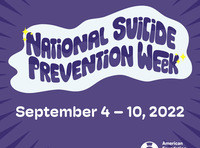
National Suicide Prevention Week is September 4th – September 10th and is part of Suicide Prevention Awareness Month.

Suicide is a leading cause of death in the United States as approximately 46,000 individuals took their own lives in 2020. That is one death every 11 minutes and 130 suicides per day. Worldwide the numbers are grim as 800,000 people were lost.

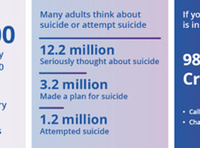
The number of individuals who consider suicide is much higher. In 2020, approximately 12 million Americans seriously thought about suicide and 1.2 million attempted it. In 2020, suicide was the second leading cause of death in people ages 10-14 and 25-34. Even though scientists have not discovered what puts a person at higher risk, rate trends have emerged. For example, suicide varies by race/ethnicity, with non-Hispanic American Indian/Alaska Native and non-Hispanic white populations having the highest rates.

[image:2]

Young people who identify as lesbian, gay, or bisexual also have higher rates of suicidal thoughts and behaviors compared to their peers. White males accounted for nearly 70% of all suicide deaths, the highest rate seen in middle-aged white men, and men are 3.88 times more likely to committee suicide than women.

Even with these staggeringly high numbers, suicide is preventable and everyone has a role to play. There are national movements and organizations aimed at raising awareness and decreasing the stigma surrounding suicide and suicidal thoughts. The CDC developed Preventing Suicide: A Technical Package of Policy, Programs, and Practices which provides information regarding the best current evidence for suicide prevention practices. We can use this information to create strategies to prevent suicide and raise awareness.

There are simple steps we can take to reduce the numbers. These include strengthening economic supports, increasing access and delivery of suicide care, creating protective environments and connectedness, teach coping and problem-solving skills, identify and support those at risk, and much more. Time is of the essence as there can be as little as 5 to 15 minutes between when someone decides to attempt suicide and when they perform the act. OSHA created a document, Suicide Prevention: 5 Things You Should Know, that you can print and place around your workplace, treatment center, or home.

Contrary to popular belief, talking about suicide with someone who is having suicidal thoughts does not increase the likelihood they will attempt it. The opposite is true. Open, empathetic conversations aimed at understanding the stressors, emotional wellbeing, and safety of a person experiencing a suicidal crisis, have a protective factor, decreasing the likelihood the person will act on their thoughts. The person wants to feel heard.

[image:3]

We all must be vigilant and aware of the behaviors to watch for in those we love. Someone’s behavior may change in the days or weeks leading up to a suicide attempt. Keep an eye out for people preparing for suicide. Examples include procuring firearms, stockpiling pills or drugs, or gathering other lethal means (ropes, knives, razor blades). Other red flag behaviors include giving away cherished belongings, sleeping too much or too little, reckless behaviors as if the person does not care if they die, or testing themselves to see if they can go through with committing suicide.

Keep an ear out for concerning comments…“It would be a better world if I was not in it,” or “No one would care if I died.” Finally, if you are concerned a loved one is in crisis, reach out to them and to the appropriate professionals who can provide the help needed.

Remember, if you are experiencing mental-health related distress, use the newly created 988 Suicide and Crisis Lifeline or go to 988lifeline.org to chat with a mental health professional.

  • To learn more about suicide and mental health, visit the American Foundation for Suicide Prevention website at https://afsp.org.

#988 National Suicide Prevention Hotline

988 Suicide & Crisis Lifeline

Too many people experience suicidal crisis or mental health-related distress without the support and care they need. There are urgent mental health realities driving the need for crisis service transformation across our country. In 2020, the U.S. had one death by suicide every 11 minutes. Suicide is a leading cause of death for people aged 10-34 years.

There is hope.Providing 24/7, free and confidential support to people in suicidal crisis or emotional distress works. The Lifeline helps thousands of people overcome crisis situations every day.

When people call, text, or chat 988, they will be connected to trained counselors that are part of the existing Lifeline network. These trained counselors will listen, understand how their problems are affecting them, provide support, and connect them to resources if necessary.

The 988 crisis hotline will connect to the already established Lifelines network of crisis centers. The Lifeline’s network of over 200 crisis centers has been in operation since 2005, and has been proven to be effective. It’s the counselors at these local crisis centers who answer the contacts the Lifeline receives every day. Numerous studies have shown that callers feel less suicidal, less depressed, less overwhelmed and more hopeful after speaking with a Lifeline counselor.

So if you are having thoughts of harming yourself or find yourself in a mental health crisis, call, text or chat 988 to be connected with a mental health professional immediately.

OCD Conference

Hopewell is traveling to beautiful Denver, Colorado for the OCD conference. If you are in the area, stop by our booth and say hi. We have a special gift for you.

Also, check it out on our Facebook page!

APA Develops New Educational Material on YouTube

Who out there gets anxious from time to time? Do you know what anxiety is? Where would you rate your mental health education? For example, did you know that 25% of Americans are diagnosed with a mental health disorder each year? How about that schizophrenia treatment alone costs $63 billion annually? Or that OCD affects approximately 2-3% of the population?

Anxiety surrounding COVID-19 is at its recorded lowest as 50% indicate they are anxious about the illness, down from 65% last year and 75% in 2020. Unfortunately, anxiety regarding current events in the world affects 73% of the population, as 32% of Americans say they are more anxious than they were last year.

With those numbers, it comes as a surprise that only 26% of Americans indicated they have spoken with a mental health care professional in the past few years, a decrease from 34% last year.

These numbers were collected by Morning Consult and commented on by the American Psychiatric Association president recently. “It is important that we are cognizant of that (mental health effects are very much still with us) and continue to work to ensure people who need psychiatric care, whether the causes are tied to the pandemic or to other issues, can access it,” says APA President Vivian Pender, M.D.

It is important to make mental health a priority in life, as many of us are pulled in many different directions. Only 26% of Americans stated improving their mental health is on their to-do list in 2022. Mental health often falls behind employment, family responsibilities, paying the bills, and finding time for enjoyment. Often, individuals suffering may not even know what they are experiencing is somehow abnormal. Everyday stress has become the norm. That is why mental health education is paramount in informing the public and raising mental health awareness.

But where do we get this information from? Social media? YouTube? Goggle?

The APA has recently produced a new series of videos explaining mental health disorders such as depression, anxiety, substance use disorders, and others. It is an easy way to engage with and provide an entry way for individuals to educate themselves on mental health.

The APA YouTube channel can be found HERE. Check it out if you are thinking you or a loved one may have a mental health disturbance. As you continue to browse through YouTube for more information, look for the “accredited healthcare educator” label. YouTube uses this label to distinguish which sources have been vetted and which are reliable sources of correct information. YouTube uses principles and definitions developed by a panel of experts convened through the National Academy of Medicine to develop this tag.

Put your mental health first. Educate yourself. Seek help when needed. If more than 50% of people in this country are experiencing anxiety while only 26% seek treatment, we are failing. We can do better! Reach out to providers, like Hopewell, if you have any questions or are looking for a treatment center.

24 Ideas to Celebrate Mental Health Awareness Month

May is Mental Health Awareness Month! This national month of awareness and action has been recognized since 1949, as mental health activists and practitioners across the country work to spread the word that mental health is something everyone should care about.

With events, screenings, activities, and more, Mental Health Awareness Month is a catalyst for us to learn more, seek help, offer support, and open our hearts and minds to vulnerable conversations.

How To Celebrate Mental Health Awareness Month

We’ve compiled some ideas for how you can honor Mental Health Awareness Month on your own, or in community with those you love.

We know that this time can also bring up some big feelings, so feel free to take what resonates, and leave what doesn’t! Just know: everything will be okay.

Activities

Attend an event in support of Mental Health Awareness Month.

A great way to spread awareness about mental health is by engaging in events in your community or online to learn more and connect with others who are willing to share their experiences with mental health conditions. On a national scale, you can look forward to Mental Health Action Day on May 19, where organizations, agencies, and brands will come together to encourage folks to get the mental health support they need.

The day before, MTV, in partnership with the Biden-Harris administration, will lead its inaugural Mental Health Youth Action Forum, hosted by Selena Gomez and featuring 30 youth mental health advocates.

You can even host your own event, gathering friends and community members to reach out to elected officials, lead a fundraiser, organize a walk or run, or include a local mental health professional in a forum or Q&A.

Get certified in mental health first aid.

If you’re looking for the tools to directly help others in times of crisis, you should consider getting certified in a mental health first aid course.

Share your story.

Part of spreading awareness means sharing your story and your experiences in a safe way. The National Alliance on Mental Illness (NAMI) encourages folks to share their experiences with mental health to be shared on their website or social media channels.

Additionally, This Is My Brave is an organization that uses storytelling to save lives. Folks can access hundreds of stories on their website, or submit their own stories to connect to a community dedicated to bringing painful, dark stories about mental illness and addiction to light.

Volunteer or donate.

Use your time, talents, or financial means to support a mental health organization! Whether you want to donate to a national nonprofit or support a community member affected by mental illness through a mutual aid fund, your assistance can make a difference.

Contact your representatives to urge them to prioritize mental health.

You have the tools to urge your elected officials to make mental health a priority! Here are a few things you can do:

By Learning

Learn more about your own mental health.

Learning more about your own mental health can be one of the most empowering things you can do for yourself. Do this by taking an online mental health screening. You can use this opportunity to seek professional help (in the form of therapy), journal about your findings, or connect with a loved one who may also have experience with a certain mental health condition.

Listen to mental health podcasts.

Podcasts aren’t the same as therapy or counseling, but they sure can help us feel seen and understood in new ways — especially when they’re made by brilliant professionals or folks with lived experiences. We’ve rounded up some of our favorite mental health podcasts for you to get a head start.

Follow creators or bookmark resources sharing reliable information about mental health.

Like we said, TikTok therapy isn’t always the best form of mental health care, but creators, apps, and campaigns can be amazing at using the Internet for good. Trust us; we’ve found them!

Shop around on social media to find reliable creators, or start with some awesome ADHD content creators, this art therapist TikToker, or these mental health apps that help Black Americans.

Read books or articles about mental health.

We’re certain your local library has a wide array of resources for your mental health studies, but if you’re looking for some new approaches, here are a few learning opportunities for you to expand your mental health knowledge:

By Taking Care of Yourself

Create strong self-care practices.

Self-care is a big buzzword these days, but we encourage you to create strong, proactive self-care practices that give you the energy and space to thrive.

Find a therapist.

A great therapist can help you gain valuable insights, provide support and guidance when you are facing challenges, help you confront and heal trauma, and give you the tools to create a life you love. You deserve to find your perfect fit! Good news: we created a comprehensive guide to finding a therapist.

Celebrate good news.

Speaking of good news, the world is full of it! Take it from us, we’re a good news media company that literally makes a monthly print newspaper filled with good news. (And you should subscribe!)

When we fill our brains with reminders that there’s lots of good in the world, it helps us feel more hopeful about the future and encourages us to be a part of creating that better future.

Subscribe to a positive news email newsletter like ours, check out good news websites, and do everything possible to make sure you’re exposed to hopeful news stories on a regular basis.

And, lastly, when you’ve found good news — make sure you share it with others too!

Here are a few positive news stories to get you started:

Consume the news thoughtfully.

Although we’re big fans of finding the good, we know that the news can feel incredibly heavy at times. While it’s important to stay up-to-date on what’s happening in the world, (because the privilege of experiencing bad news through the news comes with the requirement that you use that privilege for good) you can still consume the news responsibly.

Choose who you get your news from thoughtfully. (Our podcast episodes with Sharon McMahon and the founder of Ground News dive into this topic.) We’ve also put together a guide on how to read the news with intentionality.

Try meditating.

Apps like Headspace, Calm, and Breethe make self-care activities like mediation easy and accessible. Give your meditation practice a go this month and see what can happen when you expand your self care toolkit.

By Sharing Resources With Others

Share mental health resources.

Making mental health resources widely accessible makes it that much easier for even one person to get the help they need. When you’re sharing about mental health this month, be sure to make resources available.

Be thoughtful about the information you share online.

That being said, if you choose to engage with mental health stories and resources online this month, keep in mind that these topics can be heavy and triggering for others. Consider adding content warnings to your posts or encouraging others to do the same.

Disability rights activist Liz Sparrow has a great beginner’s guide to trigger warnings to get you started.

At Work

If you’re an employer, host professional events and initiatives that support employee mental health.

Whether this is hosting a stress reduction workshop, implementing new time-off policies, welcoming a mental health speaker, or leading a company-wide discussion, you have the privilege and responsibility to make your work environment safe, inclusive, and filled with resources that support employee wellbeing.

Check out Empower Work, a program that provides confidential support for work challenges.

Empower Work is a nonprofit on a mission to build healthier, more equitable workplaces. They offer immediate, confidential support for work challenges through SMS or webchat with trained peer counselors.

Advocate for or use mental health days or paid time off.

Mental health days are an important tool for all workers to access time off when they need to, while also facilitating important conversations about mental health and burnout in the workplace.

Perhaps this month is the time for your company to roll out company-wide mental health days, or even more generous paid time-off offerings. By prioritizing time to rest, we can boost morale, redefine the modern workplace, and show people we care.

Use your platform or company to advocate for mental health.

Raise funds, release a product supporting mental health awareness, create a social media campaign, publish a blog post, or invest in new benefits that support your team and your community during Mental Health Awareness Month. Whatever you do, we encourage you to use reliable research to make your offerings inclusive and equitable.

At School

Offer resources and information to students.

Teachers and trusted adults are responsible for making sure that students know what mental health resources are available to them. This is a great time to initiate conversations about mental health or remind students how they can come to you for help.

If your school doesn’t have a lot of resources or materials for these conversations, mentalhealth.gov has a great landing page for educators to help get the ball rolling.

Engage in a Mental Health Awareness Month project at school.

Can you hand out lime green ribbons for mental health awareness? Is there a suitable movie or documentary viewing and discussion you can share with your students? What about celebrating your appreciation for school counselors or social workers during this time?

Consider hosting a spirit day in your school to open the dialogue about mental health and engage with one another in a meaningful way.

Support LGBTQ+ youth.

LGBTQ+ youth are at an increased risk for mental health conditions and suicide. In fact, The Trevor Project — an organization that works to prevent suicide in LGBTQ+ youth — found that LGBTQ+ youth who reported having at least one accepting adult were 40 percent less likely to report a suicide attempt in 2019.

There are a number of ways to support LGBTQ+ youth inside and out of the classroom — we even have a comprehensive guide! In the meantime, consider doing the following:

Host a Q&A with a mental health professional for parents and students.

School administration and counseling teams can host a forum for parents and students, offering expert insights into mental health.

Choose a topic and host a Q&A style chat for parents with a clinician or representative from your local Department of Behavioral Health. This can also be done for students during the school day, all inviting participants to ask experts any questions they may have regarding mental health.

Educators may consider creating a safe space for students to anonymously submit questions, to keep things well-organized and confidential.

All of these action items and activities are a great way to get you and your community involved in the conversation surrounding mental health. However, we know that when you’re struggling with your mental health, it can be hard to find the help, support, and community you need.

If you are in immediate need of safety, please contact the following:

Emergency Medical Services
911

National Suicide Prevention Lifeline
suicidepreventionlifeline.org
‍1-800-273-TALK (8255)

Crisis Text Line
Text CRISIS to 741-741
crisistextline.org

And if you are not in immediate crisis and would still like access to more resources, visit our list of Mental Health Resources for more information.

What is the theme for Mental Health Month 2022?

The theme of Mental Health Awareness Month 2022 is “Back to Basics,” according to Mental Health America. Advocates will aim to provide foundational knowledge about mental health and mental health conditions, providing information to all people about what they can do if they are concerned about their mental health.

By KAMRIN BAKER

OCD Treatment at the Farm

“I have seen a lot of benefit from the ERP. There are things I am still working on but I have made so much progress. It’s hard work, but it works, I am proof of that.” – Wes H, Hopewell Resident

“At first it seemed it was unnecessarily difficult, and I didn’t like it. But then over time as the habituation process took hold, my anxiety reactions slowly became less intense, and I could see and feel the benefit immensely!” – Jackson B, Hopewell Resident

Hopewell has been exploring the viability of treating Obsessive-Compulsive Disorder (OCD) and related disorders utilizing the treatment modality of Exposure & Response Prevention therapy (ERP). This initiative came out of our discussions with Dr. Paul Keck from the Lindner Center of Hope during his evaluation of our clinical program and capabilities in November of 2018. Subsequently, we contracted with Charles Brady, PhD to consult with us. Dr. Brady was the Clinical Director of Outpatient Services and the Director of the OCD & Anxiety Program at Lindner Center of Hope and is now the Director of Kitsap Peninsula OCD & Anxiety Services in Washington State.

After Dr. Brady visited the farm on a couple of occasions it was determined that including individuals with OCD and related disorders would be an excellent fit for our therapeutic community model of residential treatment.

Dr. Brady has worked with our clinical team to implement a comprehensive ERP program at Hopewell including providing three hours of ERP therapy a day. There are five ERP groups per week, individual ERP sessions, and ERP opportunities during work crews and on their own as homework assignments. We have implemented this new program with four of our current residents who have co-occurring OCD diagnoses or traits.

This pilot program was initiated with our first ERP group on March 2, 2021 and will continue for 90 days. It has been going very well and we anticipate being ready to formally start admitting individuals with a primary diagnosis of OCD and related disorders by early summer.

Trauma-Informed Care, EMDR

Trauma is often thought of as a “deeply disturbing or distressing experience.” By this definition, it is hard to imagine a human being who has journeyed through life without answering yes to the question “Have you experienced any trauma in your life?” For some people, this may be a single occurrence such as a car accident or natural disaster. For others, there may be a life history that includes multiple, complex factors that have led to psychiatric distress, including adverse childhood experiences, abuse, neglect, or domestic violence.

The prevalence of trauma is profound. Many Hopewell residents have co-occurring diagnoses of PTSD or are experiencing trauma related symptoms that require specific consideration and care during treatment.

For many Hopewell residents, the answer to the question “Have you experienced any trauma in your life?” is often “Yes, my mental illness.”

Trauma-Informed Care is thus a critical component of treatment at Hopewell. Trauma-Informed Care is a means of organizationally structuring mental health care services with the supposition that most individuals receiving services have a trauma history whether or not they meet diagnosis criteria for PTSD.

Trauma-Informed Care requires changing the central question of treatment from “What is wrong with this person?” to “What has happened to this person?” [1] In doing so, communities such as Hopewell can find ways in which to create an environment that is sensitive to resident trauma histories and intentionally creates a community of support and understanding instead of unintentionally causing further harm through re-traumatization.

These are the six guiding principles of Trauma-Informed Care according to SAMHSA [2].

  • Safety
  • Trustworthiness & Transparency
  • Peer support
  • Collaboration & Mutuality
  • Empowerment & Choice
  • Cultural, Historical & Gender Issues

It is essential to provide for the physical and emotional safety of a resident while helping the resident learn to trust staff who are providing care. This trust leads to collaboration and cooperation with service providers and increases the likelihood residents will meaningfully engage in treatment services. A focus on resident strengths creates a culture of empowerment and provides residents with opportunities to learn strategies for coping with their mental health diagnosis as well create goals for the future that include sustaining mental health stability.

The Hopewell therapeutic community model creates opportunities for these six guiding principles in all aspects of programming. At Hopewell, we encourage residents to take an active role in their treatment planning and providers do not direct the course of treatment planning—we collaborate on a plan that is meaningful and sustainable to the resident and includes ongoing informed consent. Helping residents orient to staff and to the therapeutic community while encouraging consistency and healthy boundaries fosters a therapeutic rapport that is central to the healing community. We emphasize resident strengths and support residents in recognizing existing strengths while developing new skills with the goal of increasing independence. Staff receive trainings to increase multicultural competencies.

Our clinical team is passionate about furthering their understanding of Trauma-Informed Care both at the organizational and individual levels. Currently, Hopewell has two clinicians who have trained in Eye Movement Desensitization and Reprocessing Therapy (EMDR) and see residents for individual trauma therapy.

EMDR therapy utilizes the natural healing abilities of both the body and brain and can be an effective, evidence based therapeutic modality for the treatment of a wide range of mental health diagnoses.

First developed in 1987, EMDR emerged as an integrative therapy with proven efficacy in the treatment of individuals with Post Traumatic Stress Disorder (PTSD). As the understanding of trauma has deepened in current clinical practice and as research into the effectiveness of EMDR has grown, this therapy has demonstrated effective application for many mental health concerns, including depression, anxiety, addiction, and eating disorders.

Trauma can be thought of as an intrusion of the past into the present moment. Individuals with trauma histories may find themselves triggered by present day events and respond to them in emotional, cognitive, and physical ways that are maladaptive or painful—responses that are based on what happened in the past, not what is occurring in the present. An example may be an individual who experienced a car accident and is now unable to drive without anxiety, or is perhaps having nightmares about the accident, or has a flashback when hearing the sounds of heavy traffic. Additionally, there may be a blocking cognitive belief such as “I am to blame” or “I am in danger” that is hindering the individual from moving beyond the trauma. This blocking belief may be interfering with their growth in other areas of life as the traumatic event influences how they view their current life experiences.

EMDR therapy supports individuals in learning new coping strategies for traumatic stress and increases their ability to manage distress. Additionally, it provides a means for helping the brain and body “reprocess” the trauma so that it can be experienced less as a present day state of being and more like a past memory. While it may remain in the individual’s consciousness, it becomes less overwhelming and responses to the memory become less maladaptive. EMDR encourages development and strengthening of adaptive skills and beliefs.

EMDR combines elements of Cognitive Behavior Therapy, free association, imaginal exposure, and somatic experience to help individual’s process traumatic memories.

EMDR is unique in that it does not rely on an individual telling the story of the trauma—an act which in itself, for some, can be re-traumatizing. Instead, individuals work with the EMDR therapist to identify difficult memories, emotions, and cognitive beliefs and then utilize a process known as bilateral stimulation (BLS), often in the form of moving one’s eyes back and forth while recalling the traumatic memory, to engage the brain in reprocessing the memory. It is believed that these eye movements, similar to the REM state of sleep, aid the brain in processing the memory in a way not unlike how we process our day to day life during sleep.

The result is less emotional reactivity when the traumatic experience is recalled and a greater emphasis on personal strengths and resources that the individual can use to cope with distress. Ultimately, the individual is better able to ground themselves in the present moment and live more fully in the here and now.

The validity and reliability of EMDR has been demonstrated by ongoing research and it is a recommended by the National Center for PTSD and the US Department of Veteran’s Affairs.

You Are Not Alone: Major Depression in College

All the sudden, you’re in a new place, away from friends and family. Students keep coming up to you, throwing flyers in your face, giving you bins to take up to your new home…one you now share with a stranger. College is weird. And it can be scary ― there are so many new things to deal with. And because of that, depression is the most common health problem for college students. If your depression lasts for more than two weeks, talk to a mental health professional to help you determine next steps.

Struggles of Being a College Student

As you’re coping with this significant life change it’s important to remember that you’re not alone in experiencing these feelings. More than 39% of college students say they “felt so depressed that it was difficult to function.” If depression sets in while you’re on campus, there could be many different reasons for the shift in mood.

  • You’re on your own, away from family, childhood friends and the familiar comforts of home. You might also find it difficult to make friends who share the same values.
  • College courses are typically more rigorous than high school. You might find yourself falling behind in class even though you never had any trouble completing schoolwork in the past.
  • Peer pressure is real, and with the minimal supervision of campus life, it tends to happen more often than it did in high school.
  • Excessive social media use can cause feelings of isolation and jealousy.

Asking for Help

The idea of asking for help causes tension for some. Will people judge me? Will I receive the right advice? Will anyone even listen?

Find friends you can trust and confide in your family ― they will have your back during this transition from high school to college. Many colleges also have peer support groups you can attend. Not only will you come away with great advice, but you may also make friends on campus, which helps if your family and childhood friends are far away. If you want to talk to a counselor, your university may have a counseling center or health center available at discounted rates (or even for free).

Sometimes, none of those options appeal, and if you’re ever contemplating suicide, call the National Suicide Prevention Lifeline at 1-800-273-TALK (8255). The line is available 24 hours a day, 7 days a week.

Finding the Right Treatment Plan

Therapy and medication combined with self-help techniques tend to be best for coping in the long-term. When you’re struggling, your family and friends can be helpful accountability resources. They can assist you in regulating your treatment, especially when you’re at home visiting and by phone when you’re away. Continue to build a strong support system of people at college as well as keeping in touch with the people you care about from home.

Don’t hesitate to take a mental health day every once in a while. If you’re not feeling like yourself, going to class and forcing yourself to focus tends to be counterproductive. Use mental health days sparingly but don’t let your fear of missing important notes prevent you from taking the time you need; you can always ask for someone’s notes during the next class.

If these techniques aren’t working and you decide to take a break from college, that’s okay. Everyone completes college on their own timeline, and there’s no right or wrong way. A break from college looks different for everyone: reassessing the decision to attend college, getting a job, traveling, finding a residential treatment center or any number of other options.

Major depression affects college students everywhere. In a different environment with so many new people, events and classes, you might feel overwhelmed (but hopefully also excited for the possibilities). Lean on your parents, your friends at home, your peers at college and mental health professionals to figure out the best course of action for you to cope with depression. So many college students have major depression; you’re not alone in your struggles, and you’ll get through this.

Safe Spaces on College Campuses

Colleges around the U.S. offer many options for peer groups, clubs and activities. When you’re dealing with mental health issues, it can be difficult to make commitments to these organizations, knowing you need to take care of your own mental health first. Many college students and former college students have tackled that issue by creating safe spaces on campus for students dealing with mental health struggles.

Active Minds

Picture it: over 1,000 backpacks displayed on your campus with hundreds of suicide stories attached. Active Minds started Send Silence Packing® to raise suicide awareness. After her brother, Bryan, ended his life, Active Minds founder Alison Malmon recognized her brother’s story was common – too many students were suffering in silence. Active Minds reaches about 600,000 students every year, educating them about mental health.

It’s not only students that are taking notice; the RAND Corporation conducted a study about the impact Active Minds had on college students’ mental wellbeing. They found that students who knew about the organization were more likely to help friends who were struggling with mental health concerns. The presence of Active Minds reduced the stigma associated with mental health on campuses with club chapters. It makes sense with the current college climate: college students are more open-minded in peer-to-peer settings than previous generations were. Suicide is still a major leading cause of death on college campuses. Active Minds continues to encourage students to speak out about mental illness and, in doing so, save lives.

To Write Love on Her Arms (TWLOHA)

Jamie Tworkowski posted a story about Renee Yohe on Myspace in 2006 – her depression, her addictions, her traumas and her recovery. She was 19 at the time. Jamie started TWLOHA under the premise that everyone is meant to love and be loved. Now with 65 student chapters, TWLOHA educates students about suicide prevention awareness. With the help of his team, Jamie, who struggles with depression himself, has responded to more than 200,000 messages from people around the world dealing with depression, suicidal thoughts, self-injury and more.

Other Student-Centered Initiatives

Mental health is getting demystified. From students posting on social media about their struggles with depression to Instagram accounts for mental health advocacy and inspirational quotes and reminders, college students are effecting change.

There are many other college-based mental health organizations around the U.S. that advocate for those with mental illnesses. NAMI on Campus, a part of the National Alliance on Mental Health, aims to educate college students about mental health as well as promote awareness through events. Emory Dark Arts uses art to cope with mental health struggles while Clemson’s mental health organization – You’re Not Alone – offers a safe space for students. The BEE Daring Foundation, which began at Arizona State University, also works to end mental health stigma.

If you’re feeling lost at college or have a friend who is struggling with mental illness, finding one of these organizations on campus, starting your own chapter of a national organization, or even creating your own mental health-minded group could make the transition to campus life a little easier.

DONATE