Close

Who We Are

Strategic Plan

Board of Directors

Staff

Annual Reports

Overview

Transition Services

Sample Daily Schedule

Facilities Tour

Overview

Measuring Success

Success Stories

For Caregivers

For Professionals

Fees for Service

Apply

Corporate Partners

Planned Giving

Donate

Wishing Well

Exploring Mental Health 2026

Summer Solstice 2026

When Outpatient Therapy is not Enough: Signs Residential Care May Help

Nicole Holmes, LISW-S, Assistant Clinical Director, Clinician

 Outpatient therapy is often an essential first step in mental health treatment. Weekly sessions with a therapist, psychiatric medication management, and support from family and friends can be extremely impactful for a large population of individuals. However, there are times when outpatient care may no longer provide the level of support needed for someone struggling with mental illness.

How do you know when it may be time to consider residential treatment for yourself or a loved one? There are a few factors to consider:

Lack of progress: One of the most common signs is a lack of progress when someone is attending therapy regularly, following treatment recommendations, and still experiencing persistent or worsening symptoms. If things are not improving, it is likely time to consider residential care.

Difficulty with Activities of Daily Living: When mental health symptoms begin to interfere with basic tasks such as maintaining hygiene, preparing meals, keeping a job, or sustaining relationships it may signal that the structure of outpatient care is not enough. Residential treatment provides a supportive environment where individuals can focus fully on their recovery without the pressures of daily life.

Frequent Crises: One of the most concerning signs that outpatient care is not enough will be frequent crises that often lead to hospitalization. If someone is experiencing repeated mental health emergencies, suicidal thoughts, or episodes that require urgent intervention, a higher level of care is almost certainly needed. Residential care can offer safety, consistency, and continuous support towards stabilization.

Isolation: Often overlooked but a key indicator that residential care may be beneficial is isolation. People struggling with mental illness may withdraw from friends, family, and community. Over time, isolation can deepen symptoms, making recovery more challenging. Residential care introduces a built-in community, offering opportunities for connection through shared experiences that are difficult to find in outpatient treatment.

Additionally, challenges with maintaining treatment outside of sessions—such as difficulty following through on coping strategies or medication routines—can indicate a need for more immersive care. In a residential setting, individuals receive guidance and reinforcement throughout the day, helping them practice skills in real time.

Residential treatment is not just about increased supervision; it is about creating an environment where healing can take root with supportive trained staff available to help. At Hopewell, this philosophy is central to the care we provide. Hopewell offers a holistic, approach grounded in our therapeutic community, where the entire environment becomes part of the therapeutic process.

Residents at Hopewell engage in meaningful daily activities through our therapeutic work program and develop relationships within our community with others experiencing similar struggles. Whether tending to the land, caring for animals, or contributing to the community in other ways, this work fosters a sense of purpose, responsibility, and accomplishment—elements that are often diminished during periods of mental health struggle.

Choosing residential treatment can feel like a big step, but it is often the right one when outpatient care is no longer enough. If you or a loved one are feeling stuck, overwhelmed, or unsupported despite ongoing outpatient care, it may be worth exploring whether a residential setting could offer the next step in healing.


Hopewell Transition Program

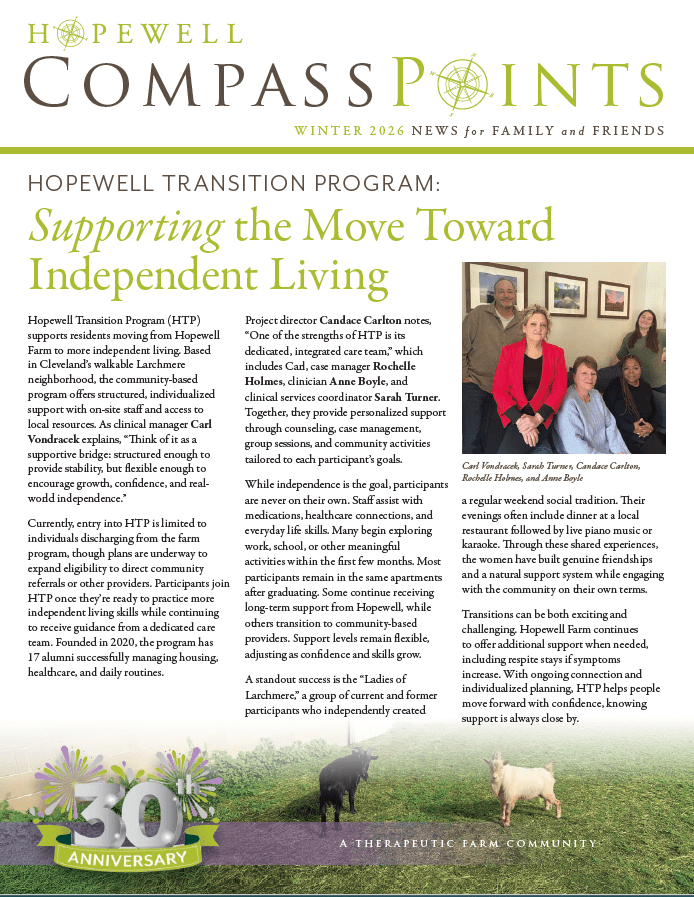
Supporting the Move Toward Independent Living

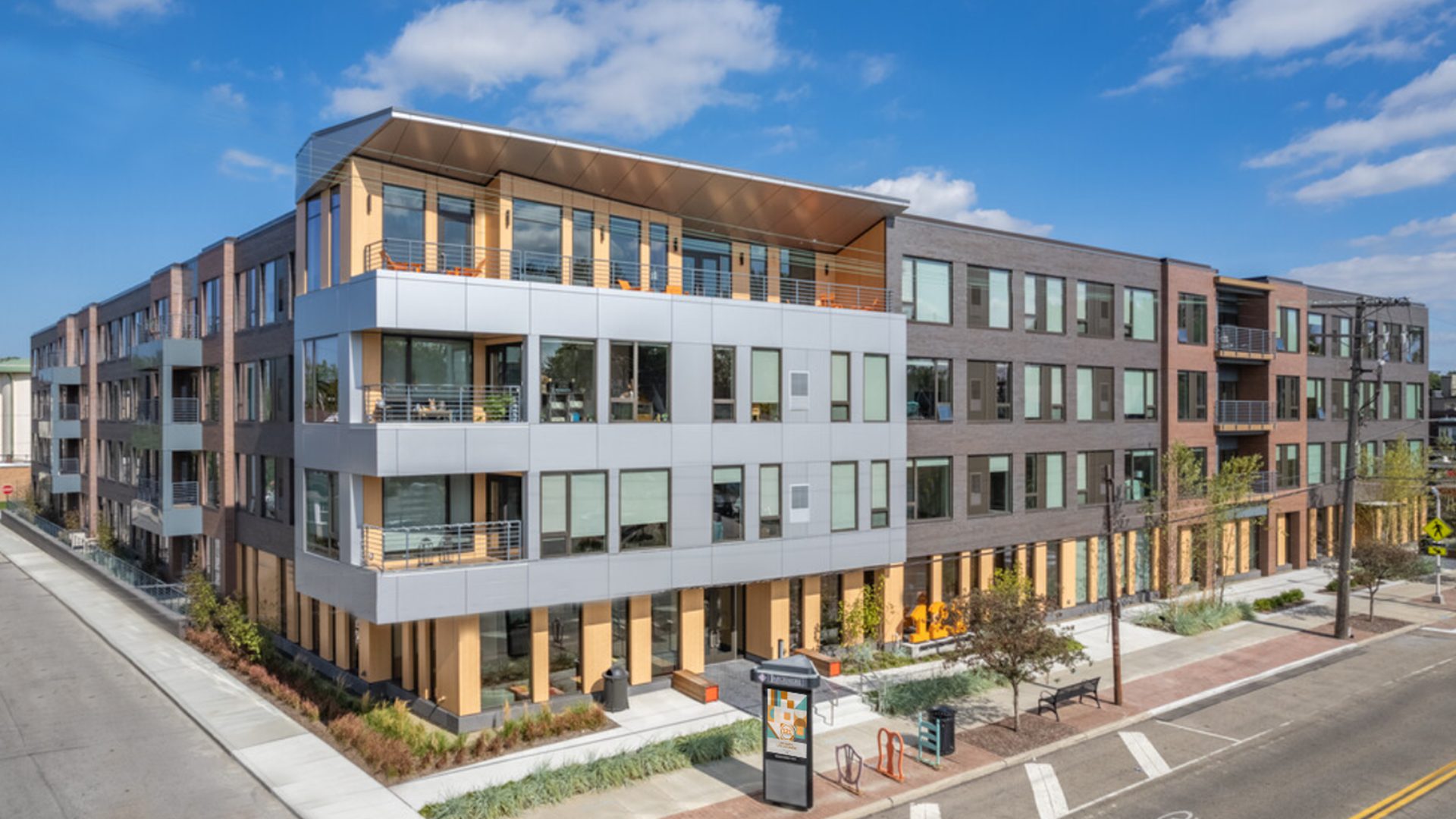
Hopewell Transition Program (HTP) supports residents moving from Hopewell Farm to more independent living. Based in Cleveland’s walkable Larchmere neighborhood, the community-based program offers structured, individualized support with on-site staff and access to local resources. As clinical manager Carl Vondracek explains, “Think of it as a supportive bridge: structured enough to provide stability, but flexible enough to encourage growth, confidence, and realworld independence.”

Currently, entry into HTP is limited to individuals discharging from the farm program, though plans are underway to expand eligibility to direct community referrals or other providers. Participants join HTP once they’re ready to practice more independent living skills while continuing to receive guidance from a dedicated care team. Founded in 2020, the program has 17 alumni successfully managing housing, healthcare, and daily routines. Project director Candace Carlton notes, “One of the strengths of HTP is its dedicated, integrated care team,” which includes Carl, clinician Anne Boyle, and clinical services coordinator Sarah Turner. Together, they provide personalized support through counseling, case management, group sessions, and community activities tailored to each participant’s goals.

While independence is the goal, participants are never on their own. Staff assist with medications, healthcare connections, and everyday life skills. Many begin exploring work, school, or other meaningful activities within the first few months. Most participants remain in the same apartments after graduating. Some continue receiving long-term support from Hopewell, while others transition to community-based providers. Support levels remain flexible, adjusting as confidence and skills grow.

A standout success is the “Ladies of Larchmere,” a group of current and former participants who independently created a regular weekend social tradition. Their evenings often include dinner at a local restaurant followed by live piano music or karaoke. Through these shared experiences, the women have built genuine friendships and a natural support system while engaging with the community on their own terms.

Transitions can be both exciting and challenging. Hopewell Farm continues to offer additional support when needed, including respite stays if symptoms increase. With ongoing connection and individualized planning, HTP helps people move forward with confidence, knowing support is always close by.

EMDR Therapy at Hopewell

By Heidi Moser, MSEd, LPCC, Hopewell Clinician

In working with residents and their families, I have discovered that many people have heard of EMDR but tend not to know much about it unless they have engaged in EMDR therapy previously. EMDR stands for Eye Movement Desensitization and Reprocessing. The therapy was developed by Dr. Francine Shapiro in the late 1980s. EMDR therapy utilizes the technique of bilateral stimulation (BLS) of varying speeds to assist with the reprocessing of traumatic memories. While EMDR therapy does not erase painful memories, it can help clients become desensitized to them and adopt healthier beliefs about themselves and the world around them.

BLS can take the form of eye movements, tapping, vibration, or sounds that engage the right and left sides of the body and consequently, both hemispheres of the brain. It mimics the eye movements that occur during the REM cycle of sleep when the brain continues its activity during an altered state of consciousness, however clients engaging in EMDR therapy are fully awake and aware. Research has demonstrated the effectiveness of both EMDR therapy and BLS in the treatment of trauma.

EMDR therapy is based on the adaptive information processing (AIP) model, also developed by Dr. Shapiro, which posits that the brain has a natural capacity to adapt, similar to the body’s ability to heal. According to the AIP model, memory networks are created in the brain – memories that share certain characteristics. An EMDR therapist guides clients in targeting key memories in the “same network” and reprocessing those memories using BLS.  Through this process, clients can gain more adaptive responses to traumatic memories.

A client does not need to be diagnosed with post-traumatic stress disorder (PTSD) to benefit from EMDR therapy. EMDR therapy is appropriate for anyone grappling with issues that involve negative beliefs about themselves, others, or the world. Oftentimes, present issues are rooted in past experiences and the core beliefs that develop out of those experiences.

EMDR therapists assist clients in uncovering these negative beliefs, which are frequently unconscious and deeply held, and working to identify and take on healthier ways of thinking. While cognitive-based, “top-down” therapies, like CBT, also focus on changing negative thinking patterns, EMDR therapy is considered a “bottom-up” therapy, concerned with the somatic nature of trauma and how past experiences impact the nervous system.

Presently, Hopewell has three clinicians who are EMDR trained, which means they have completed the foundational training in EMDR therapy as designated by the EMDR International Association (EMDRIA). This training involves 20 hours of instruction, 20 hours of supervised practicum, and 10 hours of consultation. Residents at the farm who are interested in EMDR therapy are encouraged to speak to any one of Hopewell’s EMDR trained clinicians. EMDR therapy is an invaluable adjunct to Hopewell’s community-as-therapy program.

Winter 2026 Newsletter

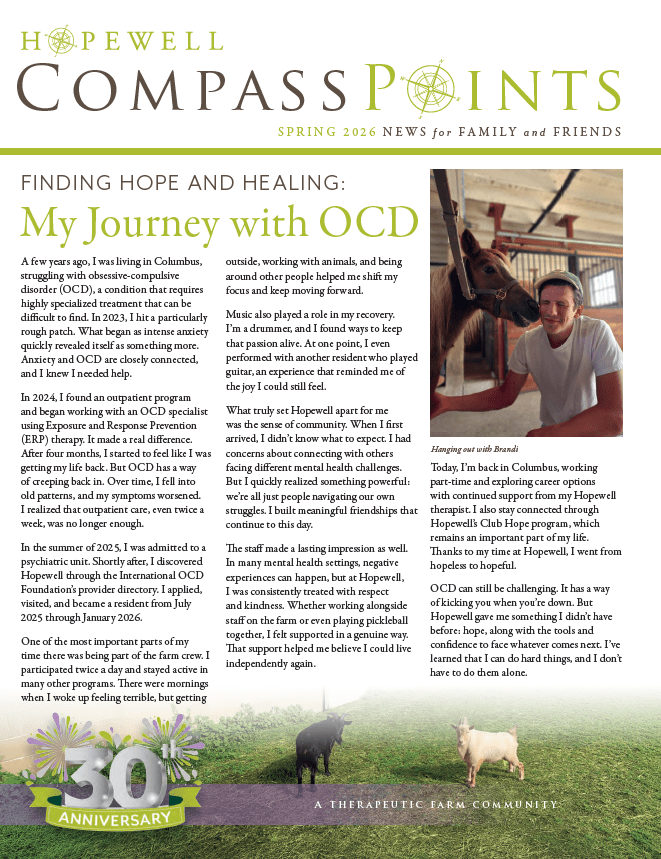
Hopewell has exciting updates in this new year.  Learn more about Hopewell Transition Program, which supports residents moving from Hopewell Farm to more independent living, meet new board members, and buy your tickets for our Summer Solstice event.

Hopewell Taps Butternut Maple Farm for Sugaring Collaboration

A chance meeting at Leadership Geauga’s class of 2026 between Chief Executive Officer Colleen Welder and Renee Delafranconi, co-owner with her husband Pierre of Butternut Maple Farm in Burton, led to a sweet collaboration.

Renee and Pierre visited Hopewell to take a tour and learn about our sugaring operation.  “We were so impressed with Hopewell; we were talking about you for weeks!” Renee said. Pierre is now providing expertise to Hopewell staff in our sugaring “rebuilding year” that will improve processes and make them more efficient.

Hopewell runs a sugar house, built in 2016 with generous donor support, and harvests sap from our 750-maple tree sugarbush.  Each year staff and residents spend a day in the woods, tapping trees for sap and processing maple syrup the farm uses year-round. Residents love the opportunity to connect with nature and work hard. Maple syrup, maple candy, maple sugar, maple cream. . . what reward could be sweeter, especially since it is Hopewell-made!


Reflections on Leading a Trauma-Informed Care Training at Hopewell as a New Staff Member

By Carl Vondracek, M.Ed., LPCC-S, Hopewell Clinical Manager

I recently had the chance to lead a trauma-informed care (TIC) training at Hopewell, even though I’m still fairly new to the team. The training was designed to be practical and down-to-earth – less about textbook theory and more about how trauma-informed care shows up in the everyday moments, conversations, and interactions that shape life in our community.

Significance of the ACE Study

The training began with an overview of the ACE (Adverse Childhood Experiences) study, which continues to influence how we understand the long-term effects of adversity on development, health, behavior, and emotional functioning. (Note: Adversity as defined in the study includes physical, sexual, or emotional abuse, physical or emotional neglect, mother treated violently, household substance abuse or mental illness, parental divorce or separation, and an incarcerated family member.)

“Big T” Trauma and “Little t” Trauma

We explored the distinctions between “Big T” trauma and “little t” trauma, emphasizing that trauma is defined by its impact rather than the size or visibility of the event. Big T traumas involve overwhelming threat, life-altering experiences, or a clear sense of danger. These may include abuse, neglect, assault, severe accidents, natural disasters, war or acts of terrorism, sudden loss of a loved one, terminal illness, and institutionalization.

Little t traumas are often harder to recognize and have historically been less acknowledged as traumatic. These experiences are highly distressing but not necessarily life-threatening. Examples include poverty, relocation, homelessness or residential instability, discrimination, racism or gender bias, having a family member with a chronic substance use or mental health disorder, witnessing abuse, chronic social isolation, feeling different or unaccepted, bullying, pandemics, and economic recession.

 Trauma’s Effects on Functioning

We then examined trauma’s effects on biological, emotional, and cognitive functioning. Using the Triune Brain model, we walked through how the nervous system processes stress and threat, why survival responses override reasoning and emotional regulation, and how trauma-driven reactions are adaptive rather than willful or oppositional. Understanding trauma through neurobiology helps shift the focus from behavior management to safety, regulation, and connection.

What Healing Requires

From there, the training centered on what healing requires in practice. We explored the core elements of trauma-informed care, including:

  • Establishing emotional and physical safety
  • Building social connectedness and a sense of community
  • Supporting agency, autonomy, and life control
  • Promoting meaningful engagement and contribution
  • Reducing the risk of unintentional retraumatization (Note: Retraumatization refers to unintentionally triggering anxiety or activating a person’s fight/flight/freeze response. For example, someone with a history of physical abuse may feel threatened if we step into their personal space without permission, approach them from behind, or use touch to get their attention.

These components show up in policies, routines, tone, expectations, and relationships. Trauma-informed care becomes lived—not through singular interventions—but through culture, consistency, and the way people are treated throughout daily life. It is communicated in choice, in pacing, in dignity, and in the belief that people are capable of growth.

The training also emphasized resilience, not necessarily as an inherent trait, but as something that can be developed through safety, empowerment, connection, and supported identity. Trauma-informed work includes helping individuals rebuild trust in themselves, experience belonging, and influence the direction of their lives.

The Importance of Supporters’ Wellbeing

Because trauma-informed care depends on the wellbeing of those providing support, we dedicated time to burnout prevention and sustainable self-care. We touched on central nervous system awareness for helpers, healthy boundaries, peer support, and practices that maintain regulation throughout the workday. Self-care was framed not as a luxury, but as a necessity—when caregivers are depleted, the quality of care and connection inevitably shifts. Protecting staff wellbeing ultimately protects client wellbeing.

Trauma Informed Care at Hopewell

Even as a newer staff member, it was easy to see that the core philosophies of trauma-informed care are already deeply woven into Hopewell’s culture and practices. The emphasis on community living, shared responsibility, empowerment, meaningful participation, and respect aligns naturally with trauma-informed principles. Rather than introducing a new framework, the training helped reinforce and name what is already present—a foundation based on compassion, dignity, and collaborative healing.

Leading the training was a meaningful way to contribute while continuing to learn my place here. I left feeling grateful to be part of a community that truly embodies trauma-informed values—and excited to keep growing alongside a team that is committed to healing, resilience, and human-centered care.


Fall 2025 Newsletter

Learn more about our 14th annual Exploring Mental Health Series, mark your calendars for Summer Solstice 2026, and see a few of the community activities available to our residents.

Meet Dr. Andrew Hunt

“I see us as keepers of hope, and I never give up on improving a situation. The ideal outcome is to find the right regimen of medicine, and the person starts to grow again in their recovery.” – Dr. Andrew Hunt

Dr. Andrew Hunt trained and continued his career as faculty at University Hospitals/Case Western Reserve University. Now he trains resident psychiatrists the Associate Program Director of General Psychiatry Program. He also directs a transitional-aged youth (TAY) clinic for clients between 17 and 29 years old, and he sees adult clients at the Center for Families and Children, a community mental health center in Cleveland.

Dr. Hunt joined the staff at Hopewell when our previous consulting psychiatrist retired in 2024. His role comprises medication management, diagnosis, following our residents, monitoring physical health and side effects, and other medical concerns. He attends weekly meetings with clinicians where they discuss observations during the past week. Between visits, Hopewell nurses communicate with him about new concerns, and medication adjustments are made under his supervision.

One of Dr. Hunt’s fundamental concerns is the problem of human suffering, wrestling with freedom and responsibility, and a sense of meaning. “Psychiatry is the one field of medicine where you work directly with suffering and try to alleviate it,” he said. “I always thought that I would gravitate toward mental health because I am more interested in the mind and the brain. I’m also intrigued by the humanities and philosophy, and the experience of being human.”

He added, “In primary care, your goal is more typically prescribing and referral. Talking to patients becomes a more secondary goal. For me, talking to patients was the first thing. I am more concerned about the long-term outcome. I want to hear the story and get to know the person, then decide what to do with the medicine.”

Working at Hopewell is extremely rewarding for Dr. Hunt. “My favorite part is seeing people recover. I have heard parents say, ‘We have our daughter back.’” He continued, “In other cases where there is not an ideal medical outcome, we can adapt the environment to give residents a more stable lifestyle.”

Dr. Hunt commented, “It has been a fantastic opportunity to work at Hopewell, to do my best work in an environment with committed clinicians who are very smart and very savvy. They genuinely care about all the clients. They are the keepers of hope for everyone here.”

In addition to working at Hopewell, Dr. Hunt appreciates opportunities to explore the grounds, participate in karaoke with staff and residents (a favorite activity), and he even played in a pickleball tournament this summer. He also dreams of innovating the oboe as a solo instrument in the alternative rock genre.

Fun fact: Dr. Hunt has been writing several works of science fiction, one set 100 years in the future, and another that features Sasquatch. He enjoys visiting natural places such as Joshua Tree, Mt. Rainier, the Oregon coast, and the Blue Ridge Mountains.

Thank you, Dr. Hunt, for everything you do for Hopewell!

A Day in the Life: Inside a High Acuity Mental Health Treatment Center on a Farm

By Annie Boyle, LPC

Imagine waking up to the sound of roosters crowing, the smell of fresh hay and grass, and the sight of open fields and trees stretching to the horizon. This is daily life at Hopewell, where clinical care and communal living blend into a therapeutic model that is both structured and restorative.

Morning Meds and Community Breakfast

The day begins early, with residents rising around 7:00 a.m. Morning medication is taken under the supervision of staff, followed by a communal breakfast in the main dining room. Meals often include eggs gathered from the farm’s hens or vegetables from the garden. Beyond nourishment, breakfast doubles as a chance for residents to review the schedule and plan their days.

Chores as Therapeutic Interventions

After breakfast, residents head to morning work crews. On the farm, chores are more than tasks—they are therapeutic interventions. Residents might feed goats and horses, collect eggs, tend to the garden, or help maintain shared spaces. For individuals coping with intense symptoms, the rhythm of farm work offers grounding. Caring for animals fosters responsibility and connection, while repetitive tasks like weeding or sweeping reduce anxiety and open space for mindfulness. By late morning, the community gathers for a community meeting, checking in as a group before lunch. Lunch is then shared by staff and residents. Meals are crafted to provide both nourishment and practice for social skills, gently supported by staff who model communication and encourage connection.

Structure Therapeutic Programming

Midday brings structured group programming. In group settings, residents can utilize the support of the community to engage in development of useful skills and understanding. Some sessions are led by licensed clinicians and focus on evidence-based practices such as Acceptance and Commitment Therapy (ACT), Exposure and Response Prevention (ERP), and Cognitive Behavioral Therapy (CBT). Other groups focus on practical skills. A life skills workshop might cover budgeting or cooking, while expressive arts sessions invite residents to paint, write, or engage in music under the guidance of art and music therapists. Movement is also woven into the program: yoga, nature walks in the woods, or equine-assisted therapy with horses that mirror human emotions and require patience, calm presence, and consistency.

Individual Therapy and Psychiatric Appointments

Between groups, residents attend individual therapy and psychiatric appointments. In sessions, residents are supported in identifying and engaging restorative practices that benefit their overall recovery journey. This might look like creating an exposure hierarchy and being supported in utilizing it on the farm, engaging in EMDR (Eye Movement Desensitization and Reprocessing), zooming in on interpersonal effectiveness, or being given a space to grieve and experience their emotions without judgement. Because the program is high acuity, psychiatrists are closely involved in resident care, adjusting medications as needed and collaborating as a treatment team. This level of oversight provides a safety net that outpatient settings cannot always offer.

Building Self-Connection

Throughout the day, residents also have opportunities for reflection. Some journal under a shady tree, others rest in their rooms, fish in the pond, or hike in the woods. Staff encourage quiet moments as an essential part of the therapeutic process, recognizing that recovery is not only about activity but also about tolerating stillness and building self-connection.

Communal Dinner and Leisure Time

Dinner is another shared meal, with residents and staff reflecting together on the day. Sometimes there are short outings—to the library, a store, or a nearby park—before the farm settles for the night.

As the sun sets, leisure time begins. Residents might play board games, watch movies, or simply enjoy the calm of the countryside. While staff remain vigilant given the high acuity of the program, the atmosphere remains a hybrid of a therapeutic community and a working farm, where healing is interwoven with the rhythms of daily life. Before bed, medications are distributed and by 10:00 p.m., the farm is quiet, with only the sounds of crickets and animals carrying through the night air.

Structure, Connection and Nature

High acuity care requires intensive support, but here that support is softened by sunlight, fresh air, and community. For individuals in crisis, the combination of structure, connection, and nature offers something rare: the chance to heal in an environment that feels alive, hopeful, and grounded. The farm does not replace therapy—it enhances it, reminding each resident that growth is possible and that, like the nature and animals around them, healing unfolds with patience, care, and time.

Meet Annie Boyle, LPC

Anne Boyle has been with Hopewell since 2022. She holds a Master’s Degree in Clinical Mental Health Counseling from Kent State University. At an organization with several Anns and Annes, she is known as Annie B.

Prior to Hopewell, Annie B. worked for a community based mental health organization providing in-home therapy and case management for adults in Cleveland. She was intrigued when a position opened at Hopewell. “I wanted to work where a higher level of care was needed for severe and chronic mental health issues and I fell in love with Hopewell’s approach to residential treatment,” she said.

”Hopewell is so different from what I learned about residential care in graduate school. We see a resident as a whole person, not a problem to solve in a few days or weeks before discharge. A minimum 4-6 months stay at Hopewell allows for a timeline to address issues that affect a resident’s health and wellbeing. We help them identify what they find meaningful, discover multiple facets for managing their illness, and build a wellness kit with skills that allow them to manage life’s stressors and maintain overall wellbeing and health,” she stated.

Different Approaches to Treatment

“Primarily I use three approaches with residents. Exposure and Response Prevention (ERP) is primarily for Obsessive-Compulsive Disorder (OCD) and most forms of avoidance. Cognitive Behavior Therapy (CBT) is for cognitive restructuring and reframing maladaptive thinking patterns, specifically for someone whose baseline anxiety is high. Acceptance and Commitment Therapy (ACT) is for someone who struggles with accepting the discomfort of life. We also do a lot of work exploring values,” Annie explained.

“What we understand to be profound and meaningful change is not the social standard. Little steps mean a lot. Perhaps it is a resident moving to a slightly less supportive living environment. Someone who moves from Hopewell to the Cleveland Transition Program, where I spend a great deal of time, receives Hopewell support while living more independently. Maybe this person takes everything they have learned and apply it in a lower level of care. Maybe they will get a part-time job. Maybe they will go home and manage their ups and downs. I am deeply moved when I see them advocate for themselves.”

Working With Families

Another part of Annie’s job is working with families to the extent that the resident allows. “I advocate for the resident as I help a family understand what they feel is going on, especially when they struggle to communicate. Even if the residents do not want us to share personal health information (which is their right), I can connect families to resources to deepen their comprehension of the situation and provide support. My approach is more psychoeducation as opposed to family therapy.”

As part of their treatment, staff look at a resident’s support system to determine what they need when they leave Hopewell. For some, wellbeing will include living independently and working, while others will be discharged to a group home or a family environment. Annie stated, “When working with a family, I explain the anticipated prognosis and create a plan for warning signs of decompensation instead of waiting for a crisis.”

What motivates you to work with people with mental illness?

“Having been in my career for four years, what drives me is knowing that I can play a role in someone feeling safe and finding motivation to move forward despite real challenges. I am also very interested in human psychology. There can be hard days and weeks when you work with this population. I learned in graduate school that with traditional therapy, you should see progress at X number of weeks, a model that does not look the same in a residential setting. Instead, you want your client to get to the place that they want to be.”

Life at Home and Future Plans

Annie has two dogs, ages 4 and 8. She said, “If I have a difficult day at work, we emotionally regulate together. I do a lot of home improvement projects on an Amish home with 3 acres that I bought with no electricity, heating, or cooling. I value having a support system so a house with a huge kitchen and deck allows us to hang out together. I enjoy using my hands and I do a lot of yard work. Breaking down a wall or making an art piece are great stress relievers.”

Annie’s longer-term plans include gaining her independent social work licensure. She is also pursuing continuing education about OCD, which she is very passionate about. This summer, she plans to go to Gatlinburg with her friends and family – a welcome period of rest and relaxation.

Thank you, Annie B., for everything you do for Hopewell!

DONATE